SEO Deep Audit: a free SEO audit tool for Claude Code and Codus
SEO Deep Audit is a free SEO audit tool: it runs 688 checks with scripts, then a second agent fact-checks the report against the data before you read it. It installs in two messages.
Zip, 1.3 MB. Needs a Mac with Claude Code or Codus. Tested on sites of 250 to 600 pages.
In our first test run the fact-checker changed 109 of 386 claims. From Andy Halliday, a co-author of Technical SEO: Are You Even an SEO If You Don't Check Server Logs?
What an SEO audit is, and what this one does
An SEO audit is a structured check of how well search engines can crawl, understand and rank a site. An SEO audit tool runs those checks for you and reports what needs fixing.
SEO Deep Audit runs inside Claude Code or Codus on your Mac. Scripts crawl the site and do all the measuring, so the same data gives the same findings. An agent writes the report, and a second agent fact-checks it against the data before you read it.
| Version | 1.1.1, updated 20 November 2026 |
|---|---|
| Checks | 688 |
| Runs in | Claude Code or Codus |
| Platform | macOS |
| Download | zip, 1.3 MB |
| Sends data to onpage.rocks | No |
| Reads server logs | No |
What you get back
SEO Deep Audit gives you a PDF report, an interactive HTML report and Excel workbooks, plus crawl maps, generated sitemaps and, when you run it again, a comparison with the last audit.
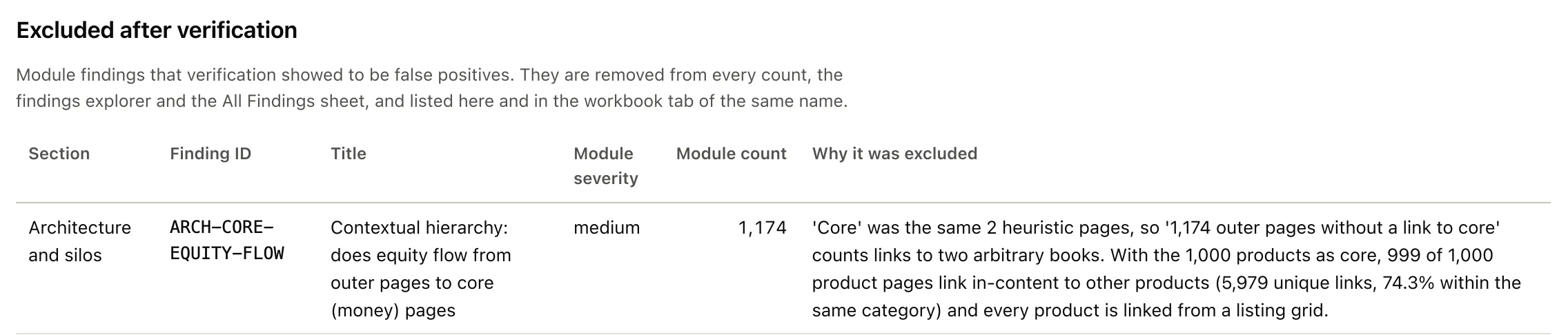
The report grades each finding critical, high, medium or low. Follow-up questions are answered from 33 named reports over the crawl data. The crops below come from our demo audit of books.toscrape.com, a public practice site, 21 November 2026.
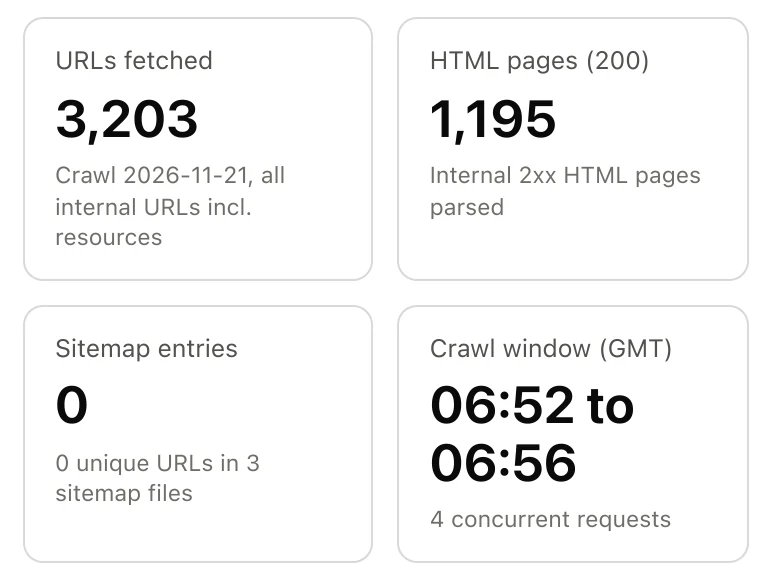
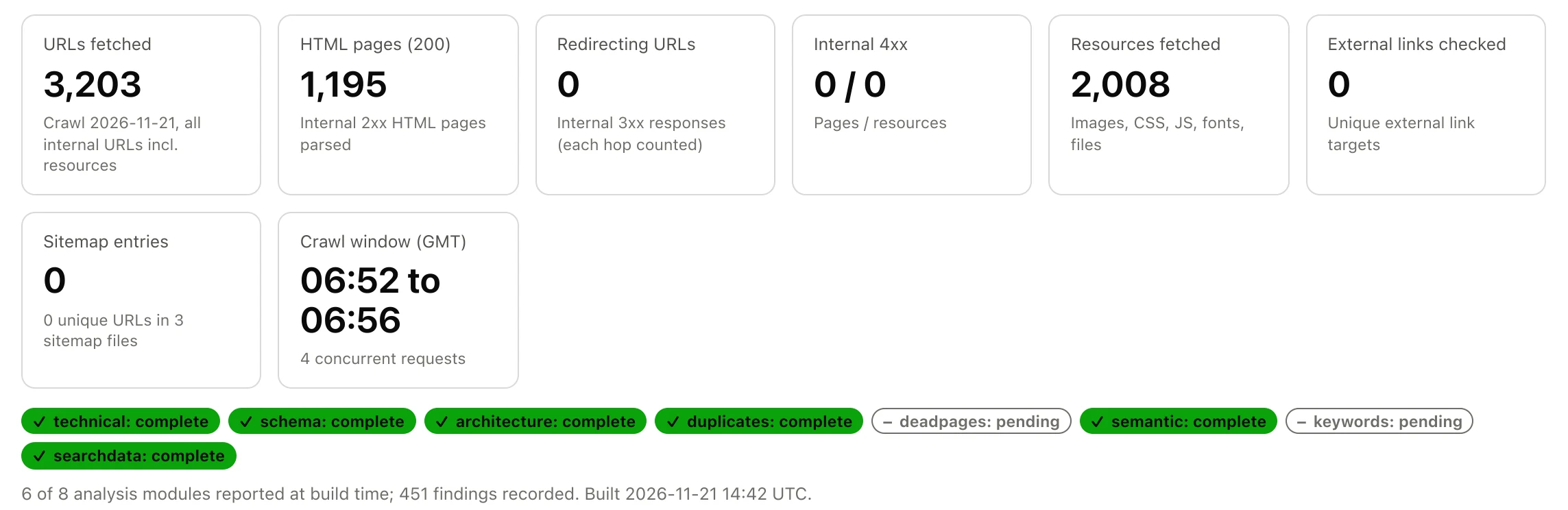
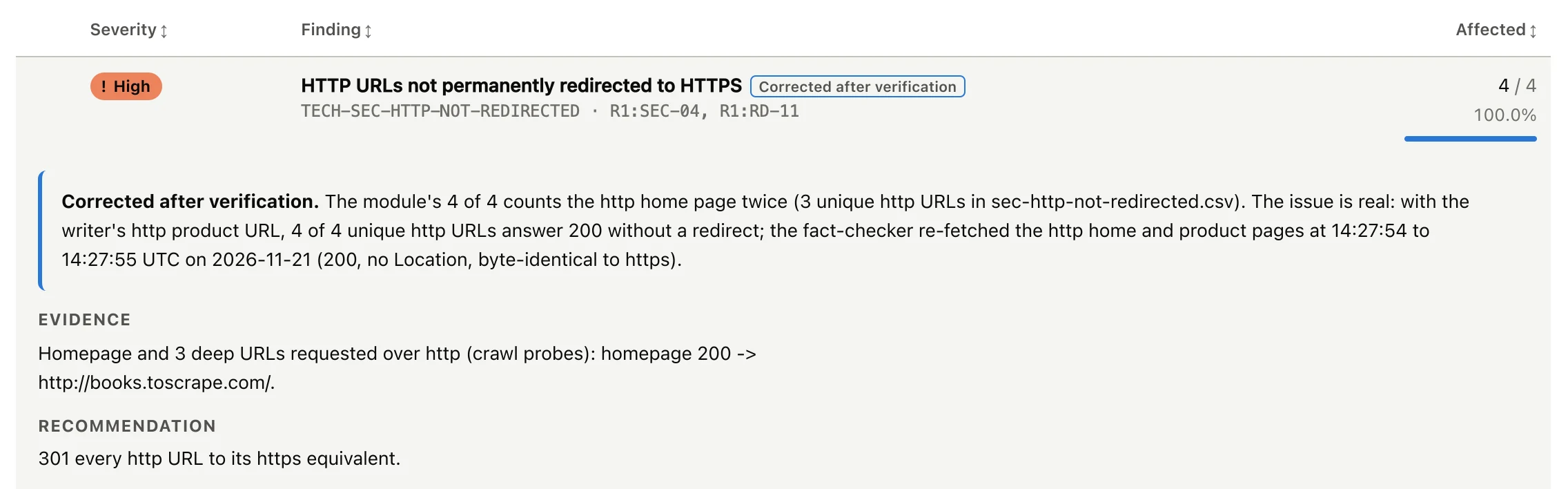
Scroll sideways to read the whole row.
Scroll sideways to read the whole row.
Watch: set it up and run your first audit
The 2:54 guide installs SEO Deep Audit, runs an audit of books.toscrape.com and walks through what comes back.
Captions are burned into the picture. Download the video (MP4, 17 MB)
Read the transcript
This video shows you how to give a website a full health check for Google, using a tool that runs inside Codus. You don't need to be technical. You just ask, in plain English.
You'll need three things. Codus on your computer. The link you were sent. And a website you own, or have permission to check.
Step one: install the tool. In your Codus chat, paste this message along with your link. Codus downloads the tool and sets it up, which takes a few minutes. You only ever do this once.
Step two: ask for an audit. Type: run a full SEO audit of, then your web address. Codus may ask a quick question or two first, like what the business does. Just answer in your own words.
Here, we're checking a practice website: a pretend bookshop that was built for exactly this kind of test.
First, Codus crawls the site. It visits every page, image and link, just as Google does. This shop has about twelve hundred pages, and the crawl took under four minutes.
Then it runs hundreds of checks: broken links, missing titles, duplicate pages, slow pages, and whether Google can see everything it should.
It writes up what it found in plain English, and then a separate checker tests its claims against the data, before anything reaches you.
The results arrive in your chat. You get a report you can read on your phone or print, starting with a short summary and the fixes that matter most.
There's an interactive version too. You can filter the problems by how serious they are, and see the proof for each one: the exact page, and the bit of code behind it.
For whoever looks after your website, there are spreadsheets listing every page that needs fixing.
You also get a map of how your pages link together, and a fresh sitemap to give to Google.
And you can ask Codus about the results at any time. For example: which pages are hard to reach from the home page?
A couple of tips. Only check websites you own, or have permission to check. And if you connect Google Search Console in Codus, the audit adds real visitor numbers.
That's it: one message to install, one message to run. If you get stuck, just ask Codus.
Editor's note: the guide was recorded in Codus, and SEO Deep Audit runs in Claude Code too. ‘The link’ is the one in the first install message on this page. ‘Just as Google does’ means the crawler follows links from page to page, the way a search engine's crawler does: see how Google crawls a site. ‘Tests its claims’ means the fact-check scope set out under why a second agent checks the report.
Set it up in two messages
Install it
Paste this into a Codus or Claude Code chat. Your agent downloads the tool and sets it up. It takes a few minutes and you only do it once.
Please install the seo-deep-audit skill from this link and set it up: https://onpage.rocks/seo-deep-audit.zipAsk for an audit
Type it with your own web address. It may ask a question or two first, such as what the business does.
Run a full SEO audit of example.co.uk
Only audit websites you own or have permission to check. The crawler makes 4 requests at a time, names itself in its user agent and obeys robots.txt as Googlebot by default.
What the 688 checks cover
SEO Deep Audit's 688 checks fall into three catalogues: 533 technical checks, 67 semantic and entity checks, and 88 on schema, silos, duplicates, dead pages and keywords.
The crawl also takes a JavaScript sample: about 25 template-representative pages rendered in headless Chrome and compared with the raw HTML. It can crawl as Googlebot smartphone, GPTBot, ClaudeBot or PerplexityBot. URL Inspection and Search Console checks run only when that data is imported.
For what each stage of a crawl involves, see how Google crawls your site.
688 checks
- Technical533
- Semantic and entity67
- Schema, silos, duplicates, dead pages and keywords88
Nine modules run them
- Technical and indexability
- Structured data
- Architecture and silos
- Duplicates
- Dead pages and pruning
- Keywords from Ahrefs
- Semantic
- Joined search data
- Custom search and extraction
Why a second agent checks the report
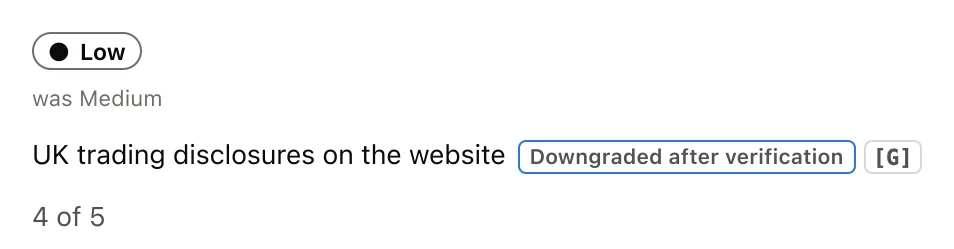
A second agent checks the report because the agent that writes it gets some things wrong: in our first test run, the fact-checker reviewed 386 claims and changed 109 of them.
Of those 386, 277 were verified as written, 102 corrected, 2 downgraded and 5 cut. The same run struck or regraded 74 automated findings.
The second agent checks every priority and headline number, every critical, high and medium finding plus a sample of low ones, and at least 15 claims from the module commentary. It can strike false findings, which move to an "Excluded after verification" appendix, or regrade overstated ones.
Can ChatGPT do an SEO audit?
Yes, ChatGPT can write an SEO audit. Whether you can send it to a client depends on whether each finding was checked against the site's data. In SEO Deep Audit the numbers come from scripts, and a second agent fact-checks the report against that data before it reaches you.
finding TECH-RC-SOFT404-PHRASESclaimed 114 pages say '0 results'matched <strong>1000</strong> resultsverdict Excluded after verification
Where SEO Deep Audit fits
SEO Deep Audit turns a crawl into a written report, and a second agent fact-checks that report before you read it. If you also want to explore a crawl by hand or work inside an audit suite, keep that tool alongside it.
We make SEO Deep Audit, so read this as our view. Written 28 November 2026; each name links to the maker's own page.
- Screaming Frog SEO Spider
What it is: A desktop website crawler.
Pick it when: You want to explore a crawl yourself: filter it, dig into it and export what you need.
- Ahrefs Site Audit
What it is: A cloud crawler inside the Ahrefs suite.
Pick it when: You already work in Ahrefs and want site crawls in the cloud next to its backlink and keyword data.
- Sitebulb
What it is: A website auditing tool, on desktop or in the cloud.
Pick it when: You want a visual, point-and-click audit app.
- SEO Deep Audit
An agent-run audit for Claude Code and Codus, on a Mac.
Pick it when: You want a written report you can send, where every finding that concerns a page element carries its proof: the element as served, its line in the page source and, for link problems, the linking pages. It can use the Ahrefs API for its keyword module.
What it needs
SEO Deep Audit needs a Mac with Claude Code (Codus optional), plus Python 3.9 or later, Google Chrome and Node.js.
You need
- Claude Code (Codus optional)
- Python 3.9 or later
- Google Chrome
- Node.js
- macOS (built and tested there)
Optional
- Ahrefs API for the keyword module (about 11,000 units per site on a first run)
- Search Console access
Known limits
SEO Deep Audit is Mac-only and has been tested on sites of 250 to 600 pages, so treat very large or JavaScript-heavy sites as untested.
It doesn't read server logs. The Log File Audit, our SEO log file analysis service, shows what Googlebot actually requests on your site.
- Tested on four UK sites of 250 to 600 pages and a 1,200-page practice shop.
- Very large and JavaScript-heavy sites are untested.
- hreflang, AMP and pagination checks were tested on synthetic data.
- Some place-name rules cover the UK only.
- On shop sites a few page-type guesses can misfire; the fact-check corrects these in the report.
Licence and prices
SEO Deep Audit is free to download. Andy's reviews and audits are paid, and an Agency Licence for client and commercial use is planned.
SEO Deep Audit
Version 1.1.1, with all 688 checks and every report it produces.
Free
Available
Agency Licence
Client and commercial use of SEO Deep Audit, with white-label reports.
Planned £495 a year
Waitlist
Andy's services: an Expert Review is £295, a Technical SEO Audit is from £1,500 and a Log File Audit is from £995. Every price and waitlist is on the pricing page.
Who built it
SEO Deep Audit is made by On Page Rocks, founded by Andy Halliday. Andy has run technical SEO and server log audits at onpage.rocks since January 2018 and is one of the listed authors of Technical SEO: Are You Even an SEO If You Don't Check Server Logs?
| Maker | On Page Rocks |
|---|---|
| Audits since | January 2018 |
| Book credit | Andrew Halliday |
| Book published | 15 November 2025 |
Need it done for you?
Yes, Andy can do it: an Expert Review of a report SEO Deep Audit produced is £295, and a full Technical SEO Audit starts at £1,500.
Andy takes on 2 to 3 audits a month.